Elaboration
ELABORATION OF A GREAT ARTISAN CAVA
First of all we have to take into account that to make a good cava, you have to spend at least 4 or 5 years, from the time the grape is harvested in the vineyard, until you enjoy the pleasure of a bottle of Canals & Munné, on your table.
Obtaining the best cavas begins with the exclusive location of the vineyards depending on each grape variety, and the mixture of the corresponding wines that will form the coupage directed by the oenologist. Grapes that, after being harvested at their optimum moment of maturation, will have different degrees of pressing and fermentation, depending on the type of cava for which they have been chosen and conceived. The varieties used at Canals & Munné are: Chardonnay, Macabeu, Xarel-lo, Parellada, Pinot Noir, Cabernet Sauvignon, Ull de Llebre and Merlot. Apart from Muscat and Sauvignon Blanc, as still wines.
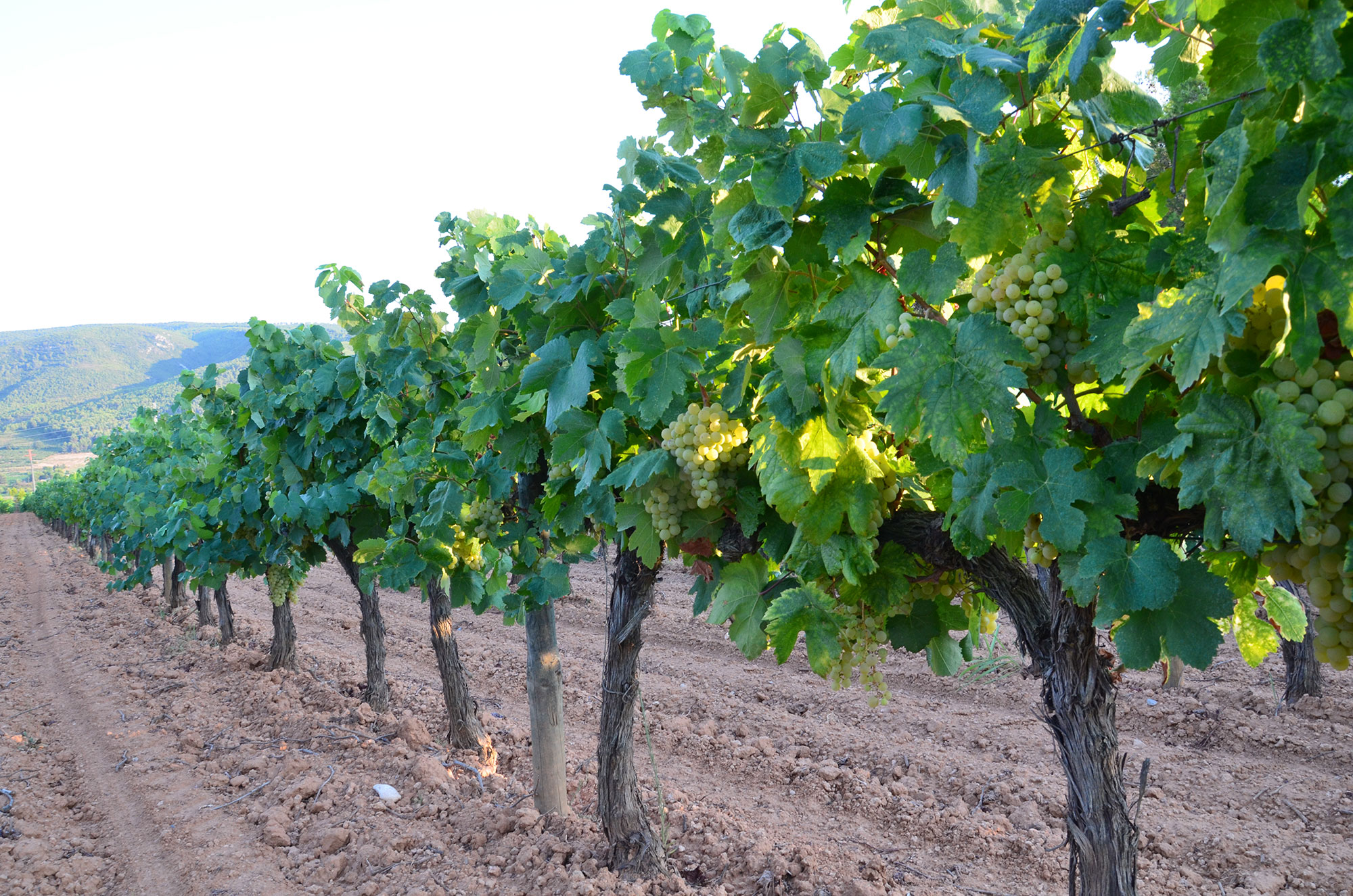
Once the grapes have been selected and the best must has been obtained, the first fermentation and filtration will take place. Then we make the coupage.
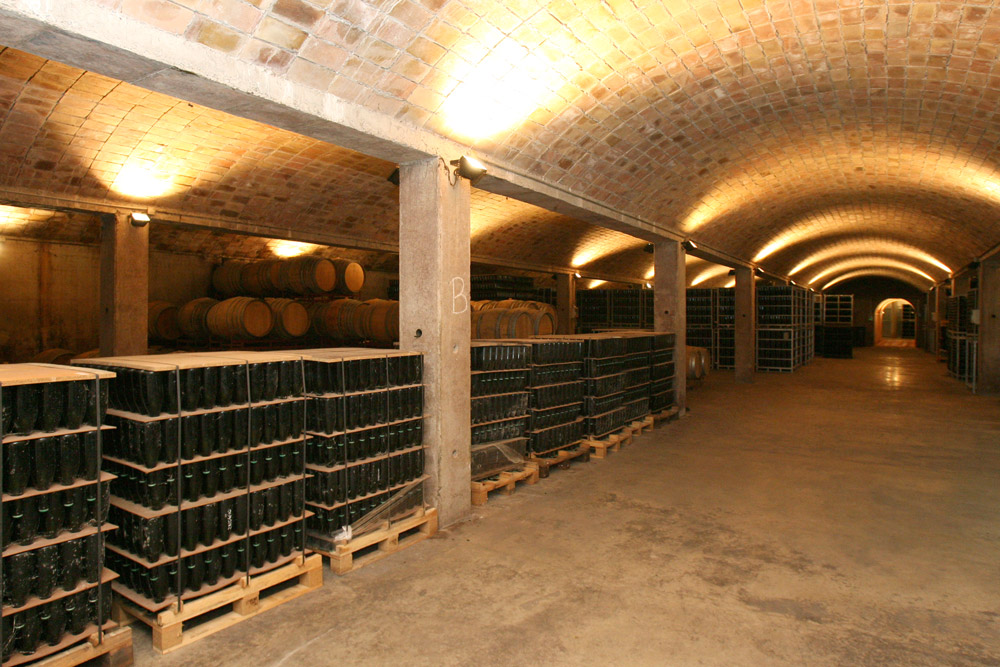
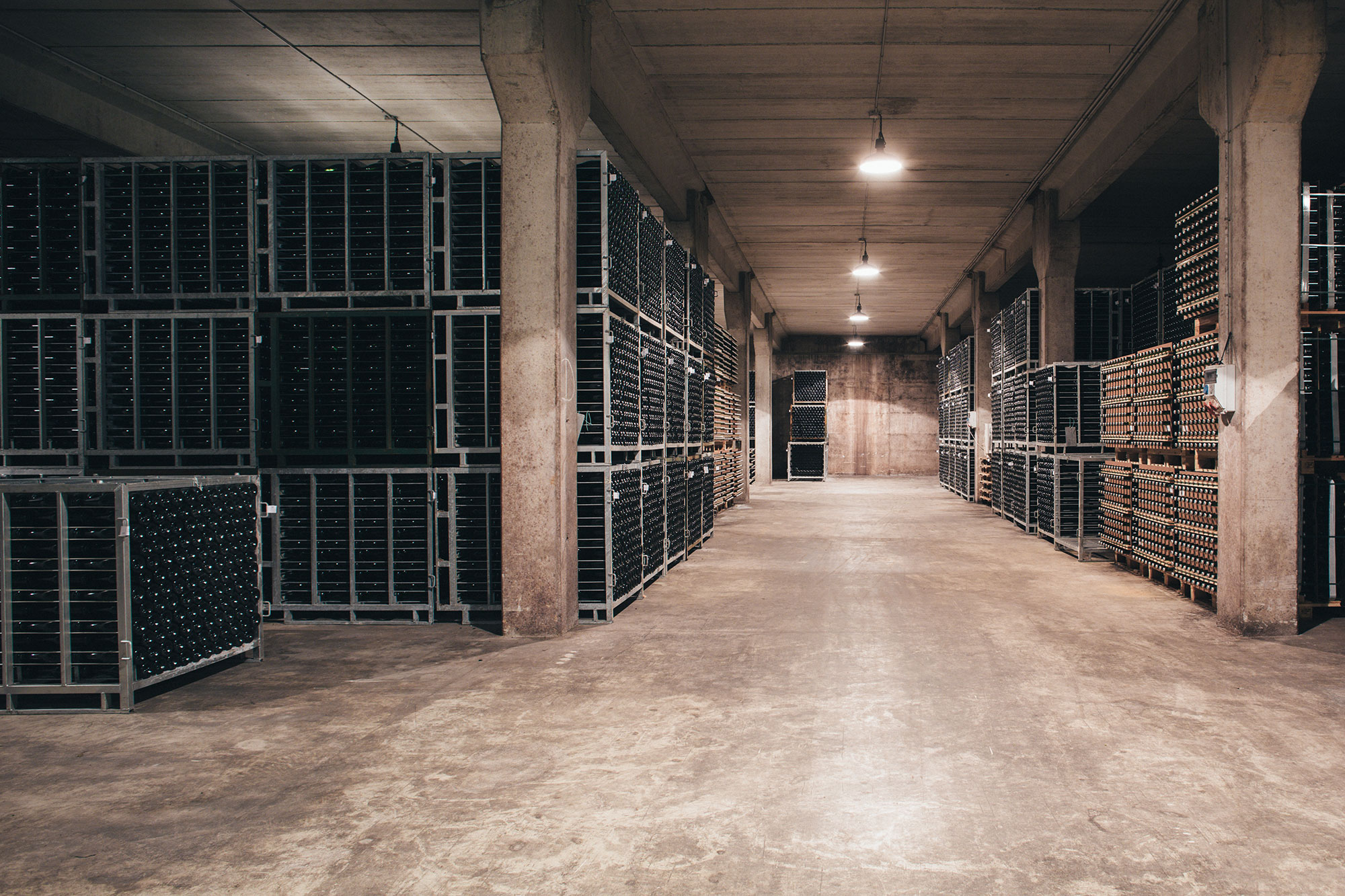
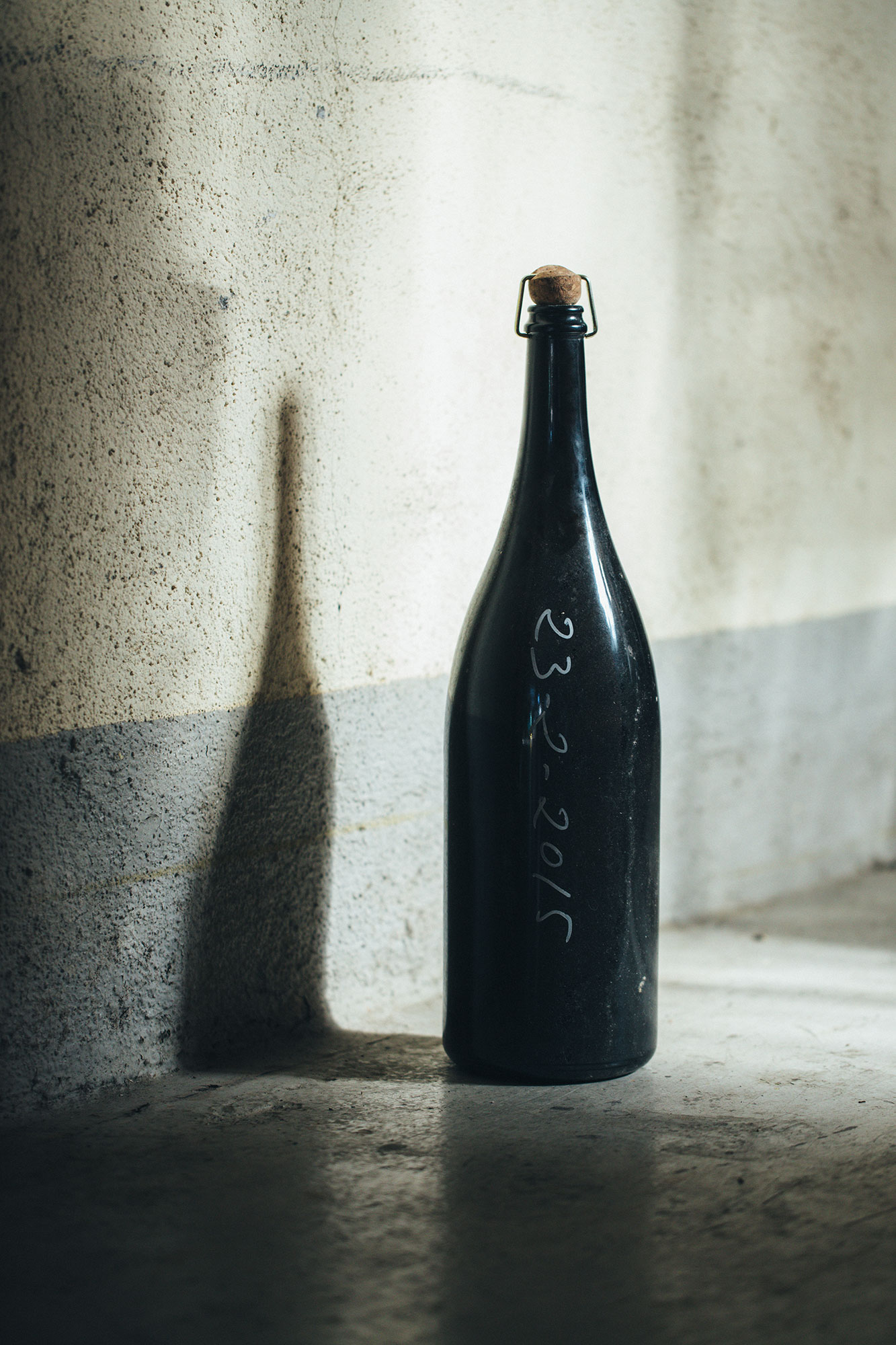
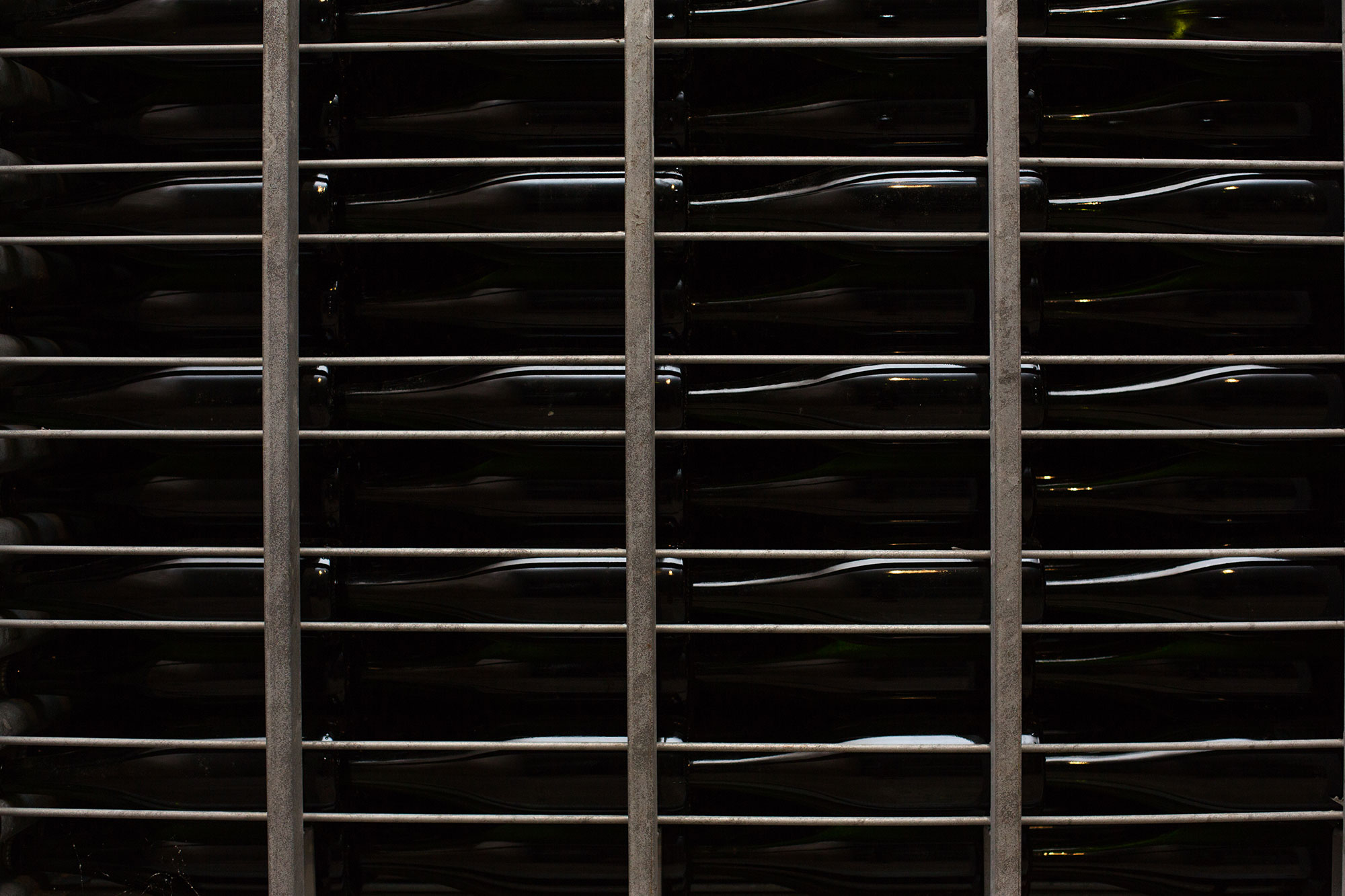
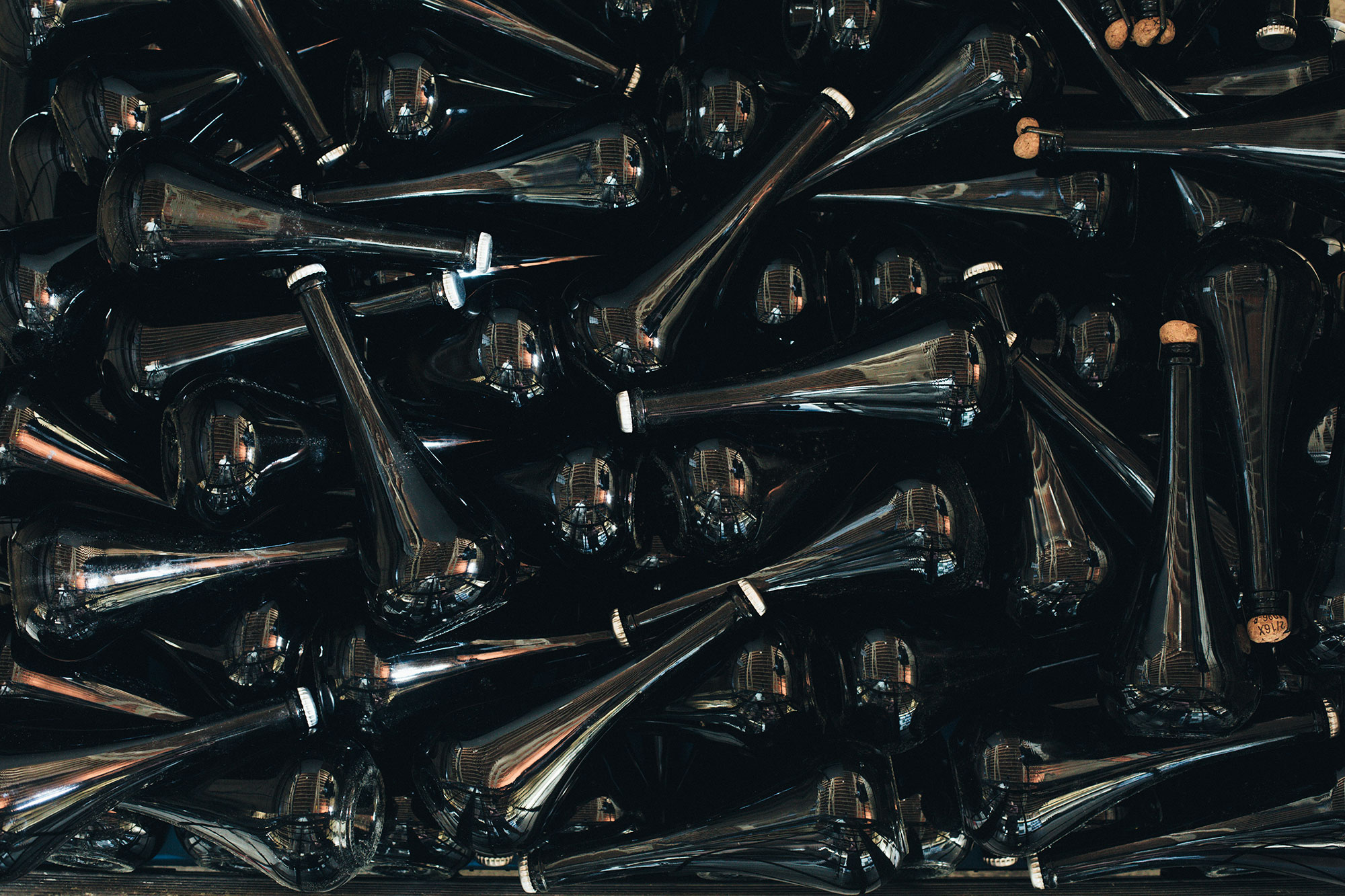
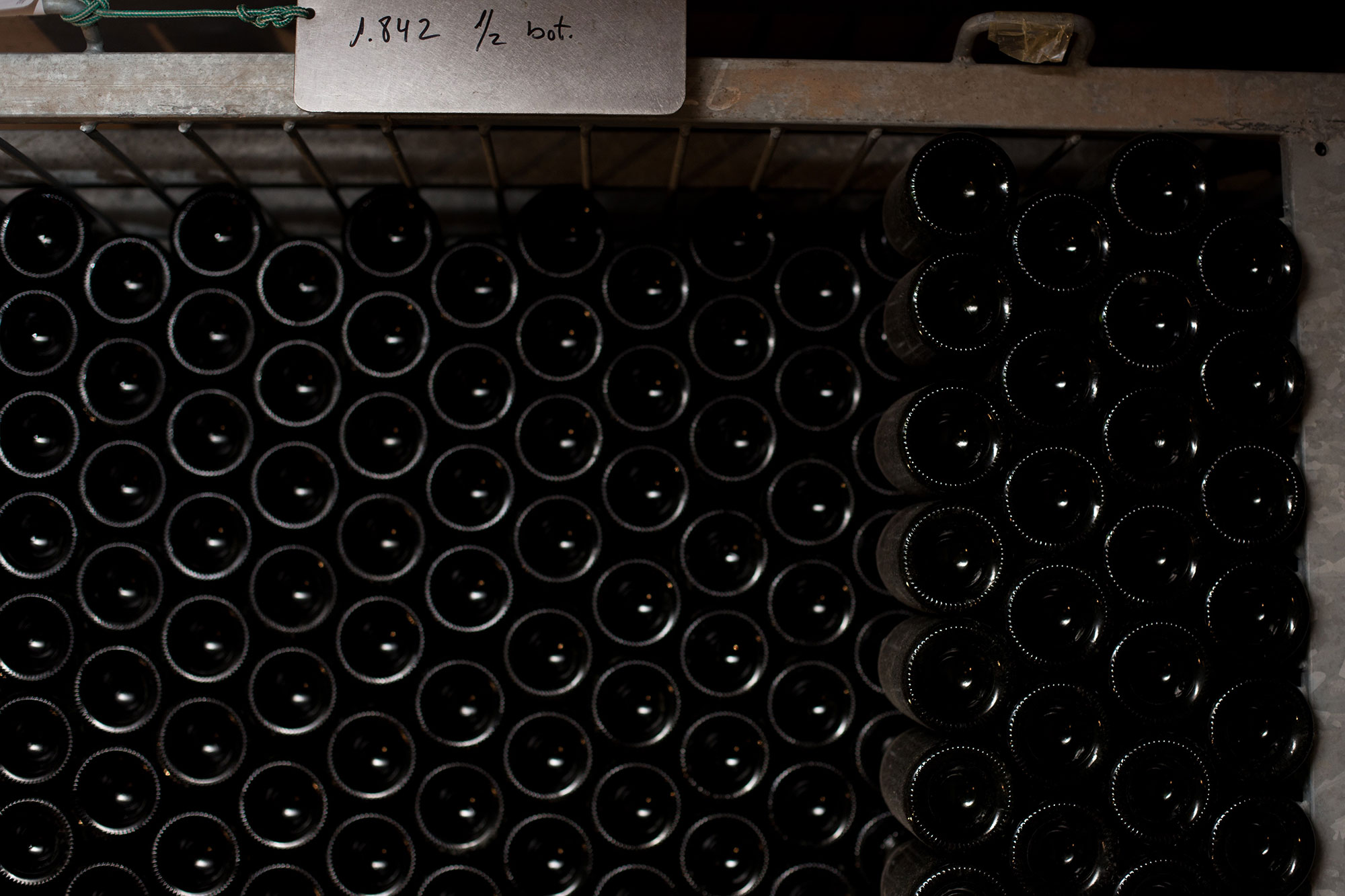
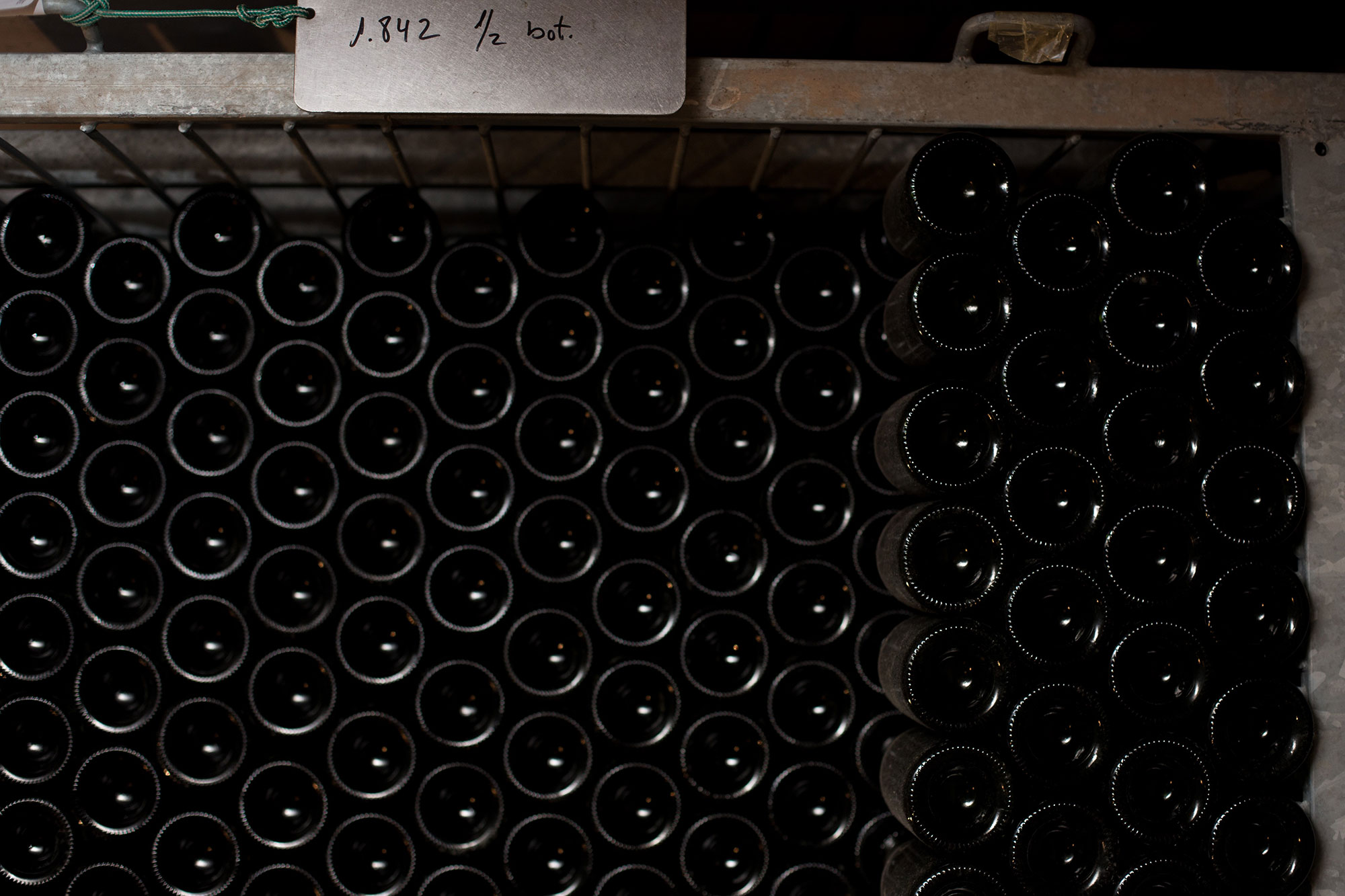
Once the coupage has been made, the maximum expression of art and the oenologist’s experience, we proceed to make the tirage, the operation that consists of filling the bottles with the mixture of the coupage wine, the sugar, the yeasts, the vitamins (where appropriate) and the clarifiers. Next, the bottles will be brought to the deepest part of the cava because there in the dark they will ferment and age for a minimum of two years and a maximum of five years.
In this way, we can get cavas with a very fine bubble, which produce neither headache nor stomach pain.
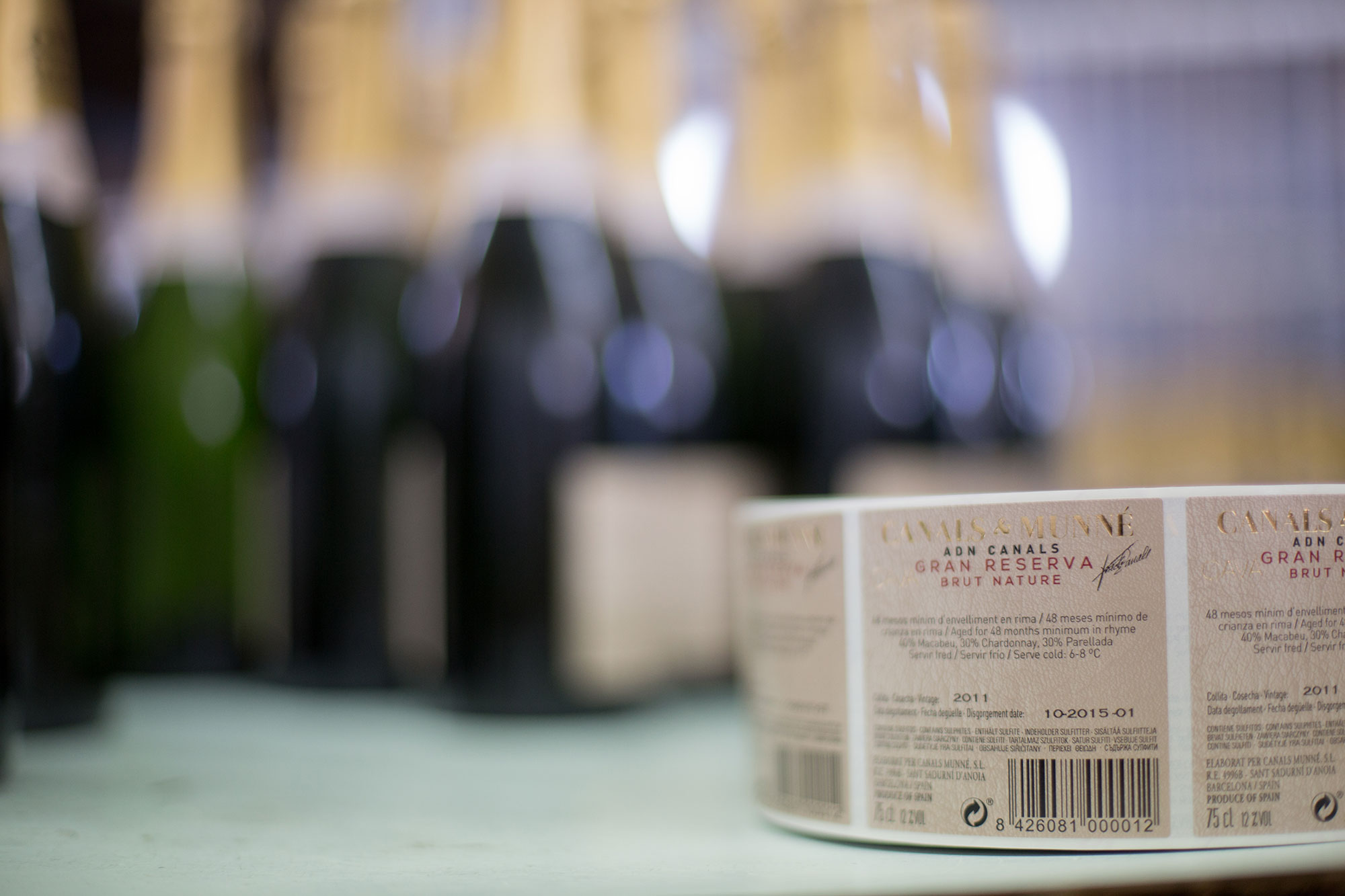
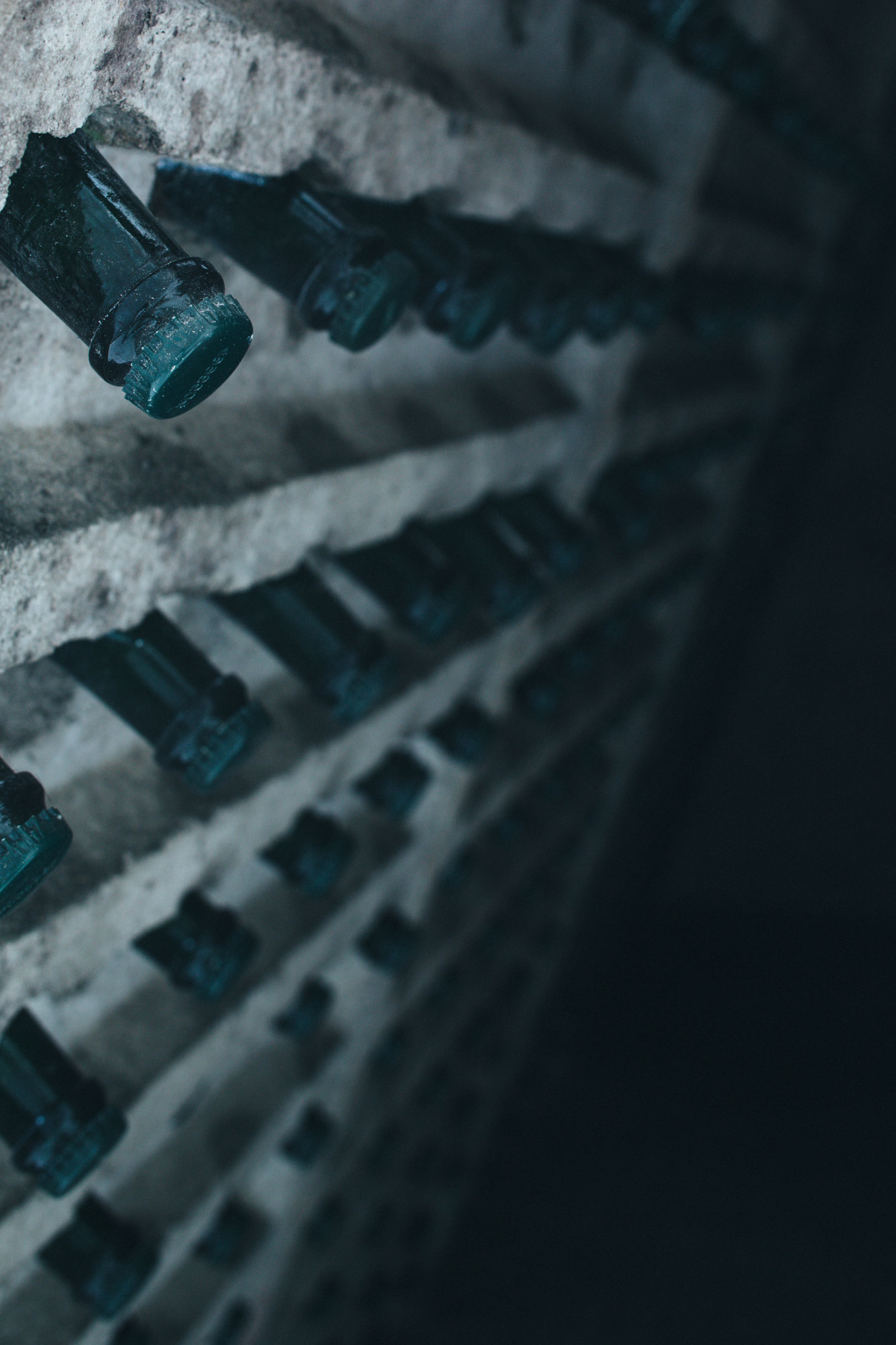
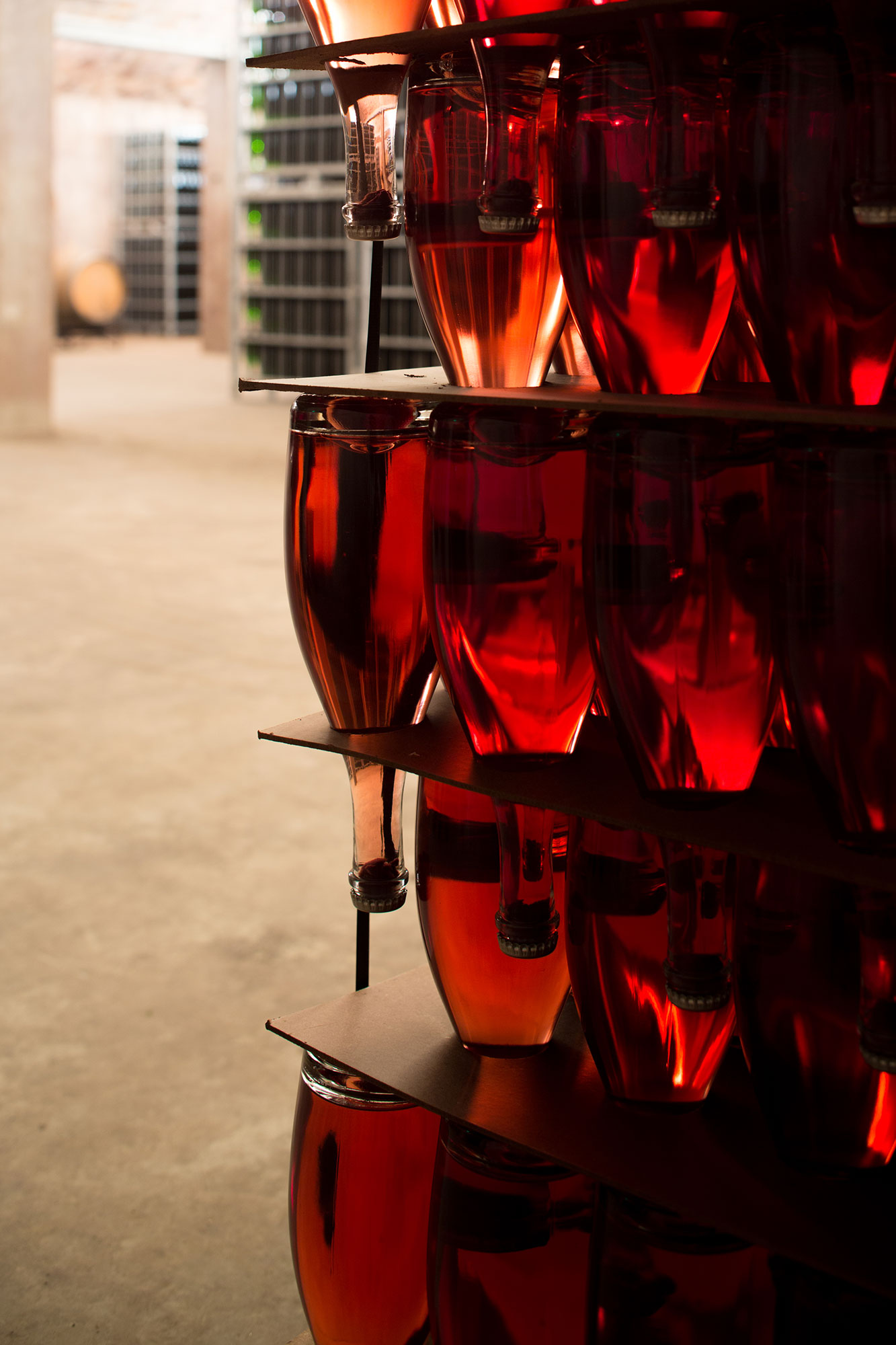
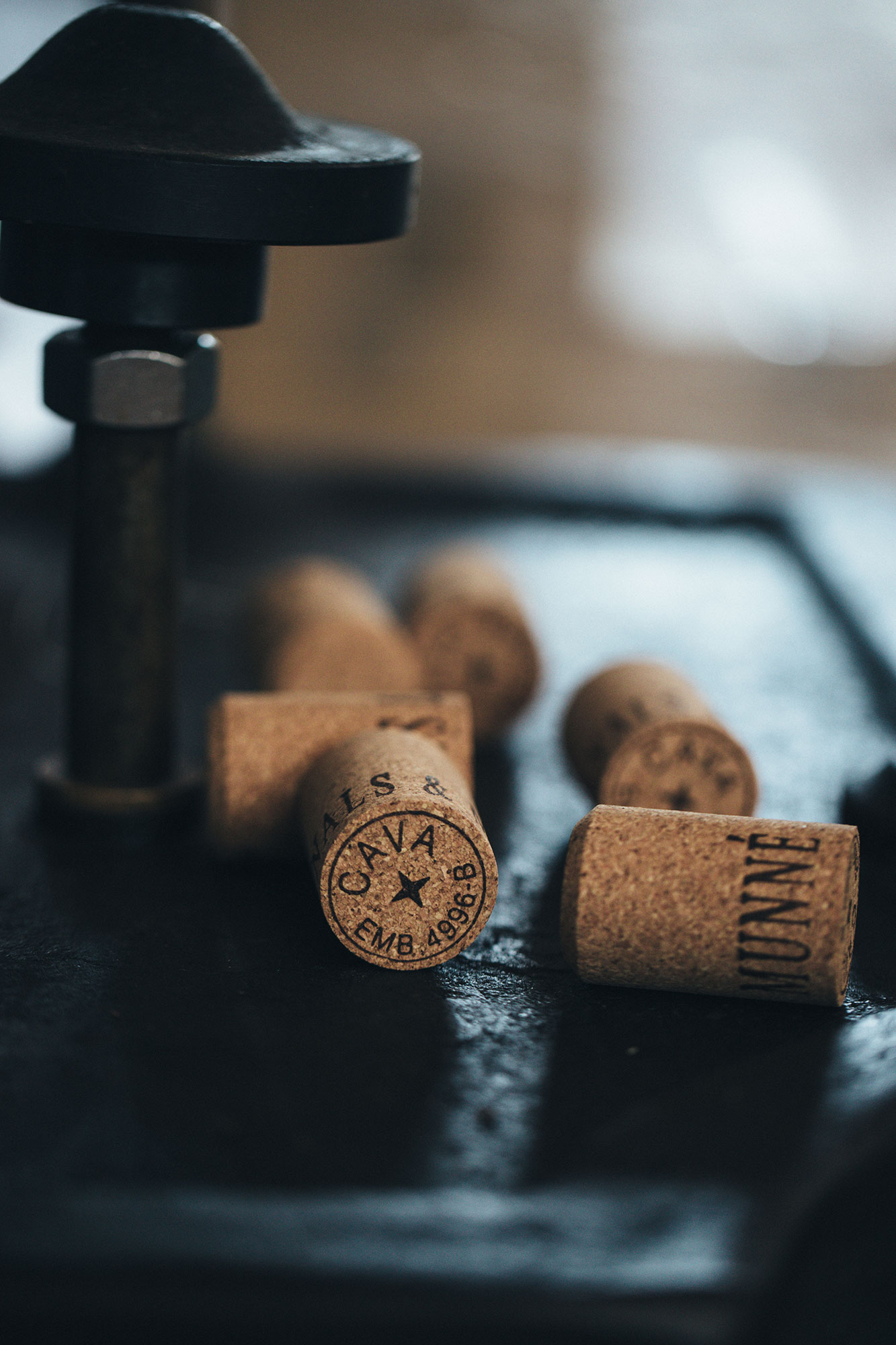
In this way, we can get cavas with a very fine bubble, which produce neither headache nor stomach pain. After the delicate manual process of remuage in the desks (operation that consists of giving 1/8 of return to the bottles, daily, during 2 months, until obtaining that all the mothers or sediments are sedimented to the neck of the bottle), the disgorging will proceed (operation that consists in extracting the mother or the sediment of the bottle of cava, previous freezing to the Xampagel and adding the corresponding expedition liquor, except in the Brut Nature). Next we will put the cork stopper and the morrión to the bottles. Next, the bottles are cleaned and a visual inspection is made, one by one, to guarantee the maximum quality and cleanliness of the product. Finally, the cava is labelled (capsule, label, collar, and back-label,) encased and listed to know its life, which from this moment is 1.5-2 years maximum.
The cava is now ready to begin to be appreciated in all its fullness.
IMAGE GALLERY